A suitable CMS structure can make it easier for your team to add or update recurring content without changing the website’s underlying structure.

Your website needs to work on the front end for customers and behind the scenes for the people managing your business.
SwissLayer provides website development services in Switzerland for businesses that need a new website, a stronger technical foundation or development support for an existing project.
From responsive frontend development to backend functionality, CMS implementation and integrations, we build websites around the actual requirements of each project.
We work with businesses in Zurich, Geneva, Lausanne and across Switzerland, turning approved designs, business requirements and digital ideas into functional websites.
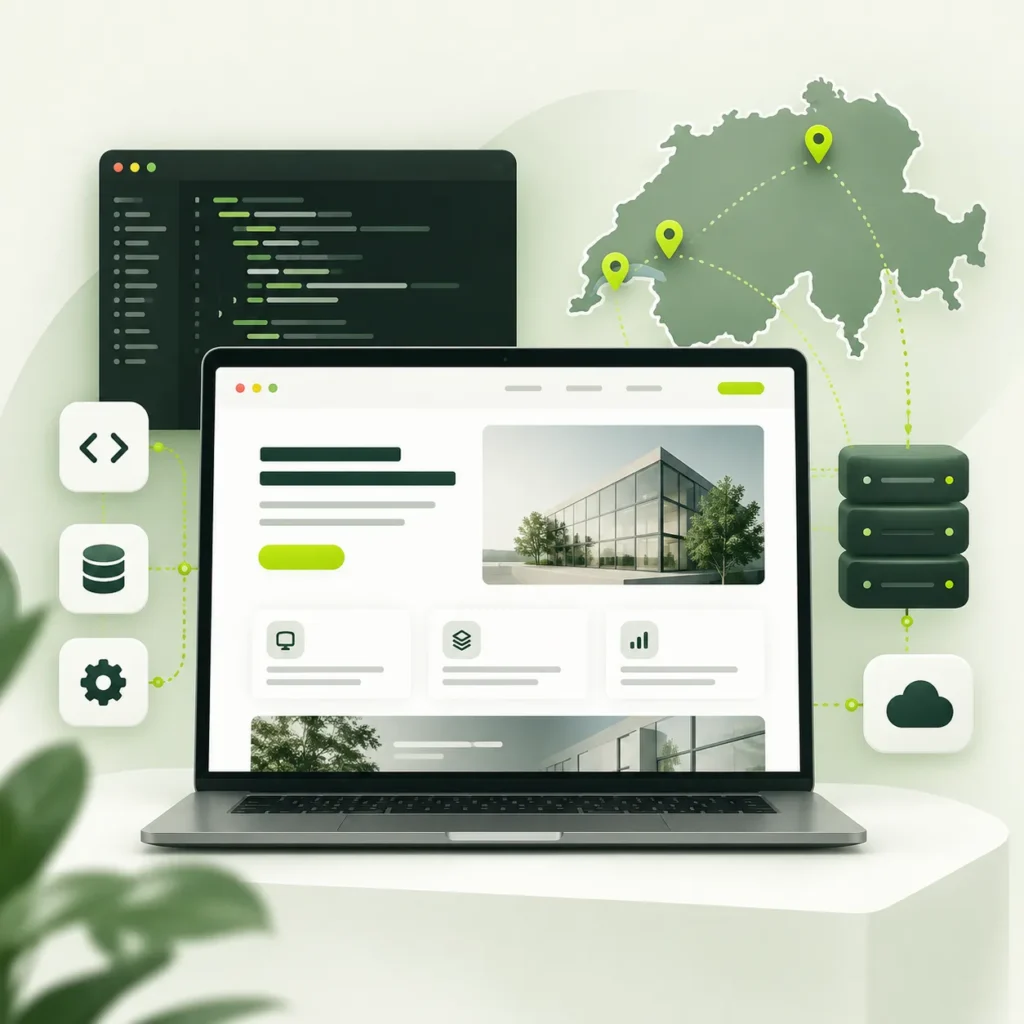
Before development begins, we look at what the website needs to achieve, who will use it and how it needs to work.

A five page company website, an e-commerce store and a custom business platform can require very different technical setups. Understanding that difference early helps determine what should be built, what can be kept simple and where additional development is actually needed.
Whether you have a complete Figma file, an existing website or only an initial project brief, development can be planned around the situation you are starting from.
Different projects call for different approaches. We develop around the scope of the website rather than forcing every project into the same setup.
For companies that need a professional website to present their services, expertise, locations and contact information clearly.
Development can cover the page structure, responsive layouts, content management and functionality required for the business.
Corporate websites can involve larger amounts of content, multiple page types and more structured information.
We develop the underlying structure around the organisation’s content and functionality requirements, with room for future updates where needed.
Online stores need to support both the customer journey and the processes behind the sale.
E-commerce development can include product structures, customer-facing pages, commerce functionality and connections with other business systems.
Some websites need functionality that standard templates or configurations cannot provide effectively.
Custom website development can be considered when a project requires specific interactions, workflows, integrations or specialised functionality.
Projects involving more complex interactions or user functionality may require a different development approach from a conventional business website.
The technical setup depends on what the platform needs to do, the information it handles and who will use it.
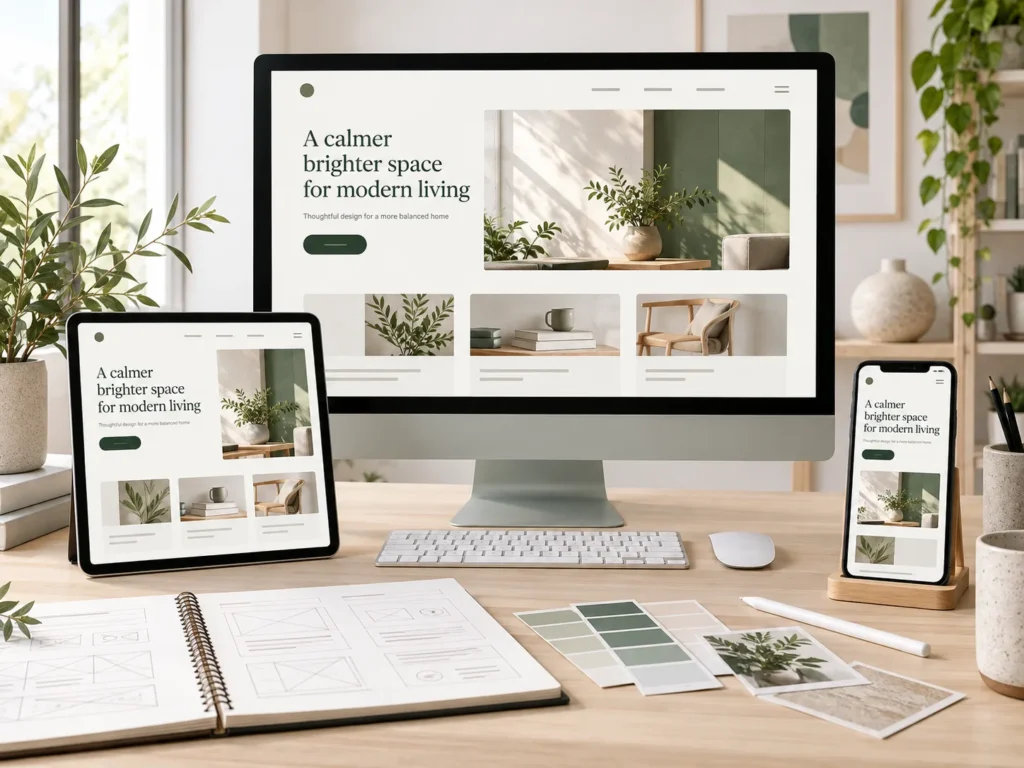
The frontend is where customers interact with your website.
We turn approved designs into responsive website interfaces, implementing page layouts, navigation, interactive elements and other interface requirements across relevant screen sizes.
The goal is to make the final website behave as intended, rather than simply reproduce a static design.
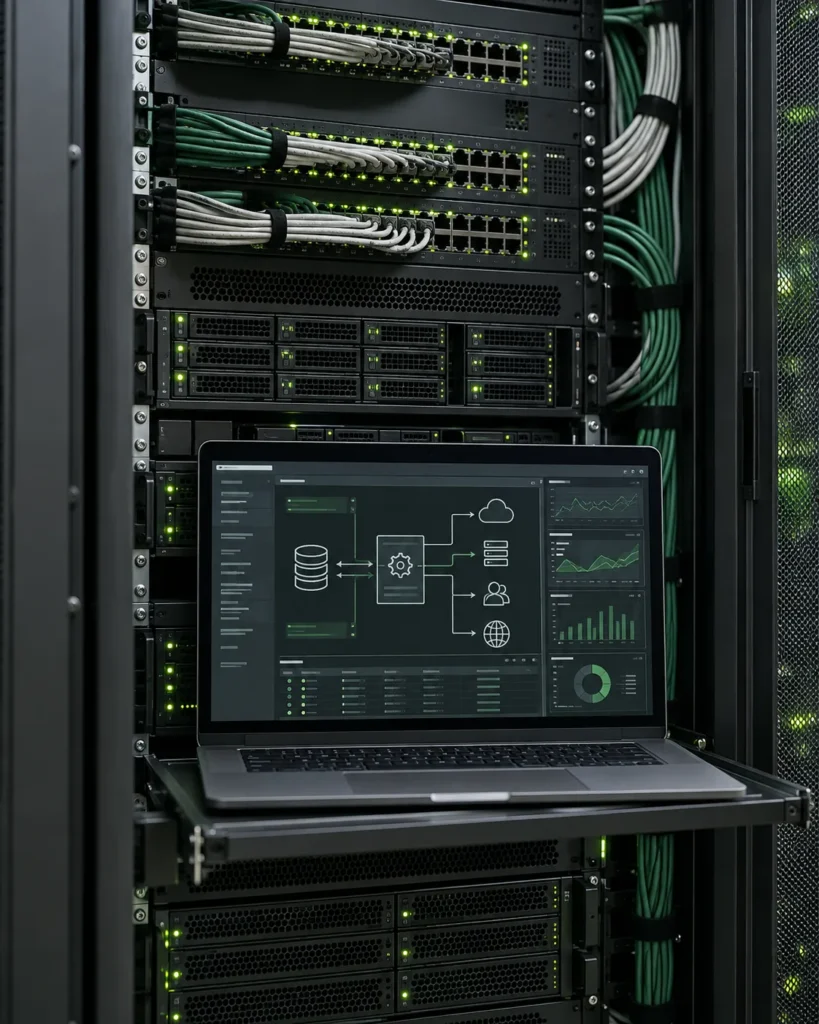
Backend development handles the data, logic and connections that allow a website to perform tasks beyond displaying content.
Depending on the project, this can involve
The backend is developed according to what the website actually needs rather than adding unnecessary technical complexity.
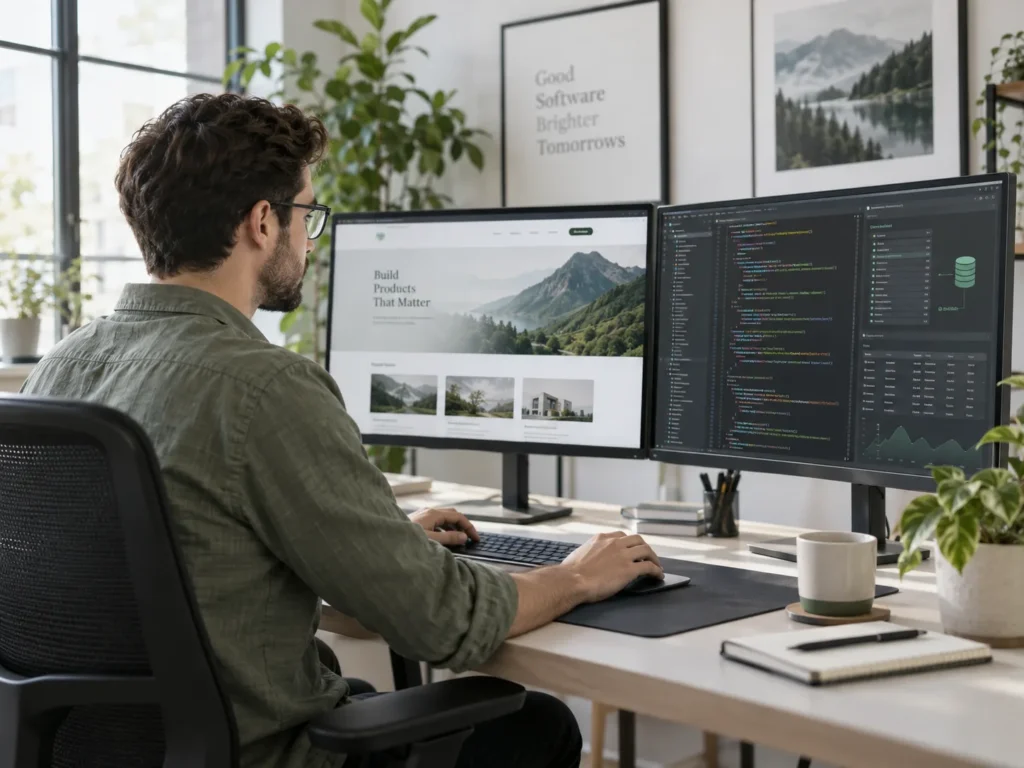
Some projects require development across both the user facing interface and the systems behind it.
A full stack developer can work across frontend and backend development, helping connect the website interface with databases, APIs and other required functionality.
This can be useful for projects involving custom features, data driven functionality or more complex workflows.
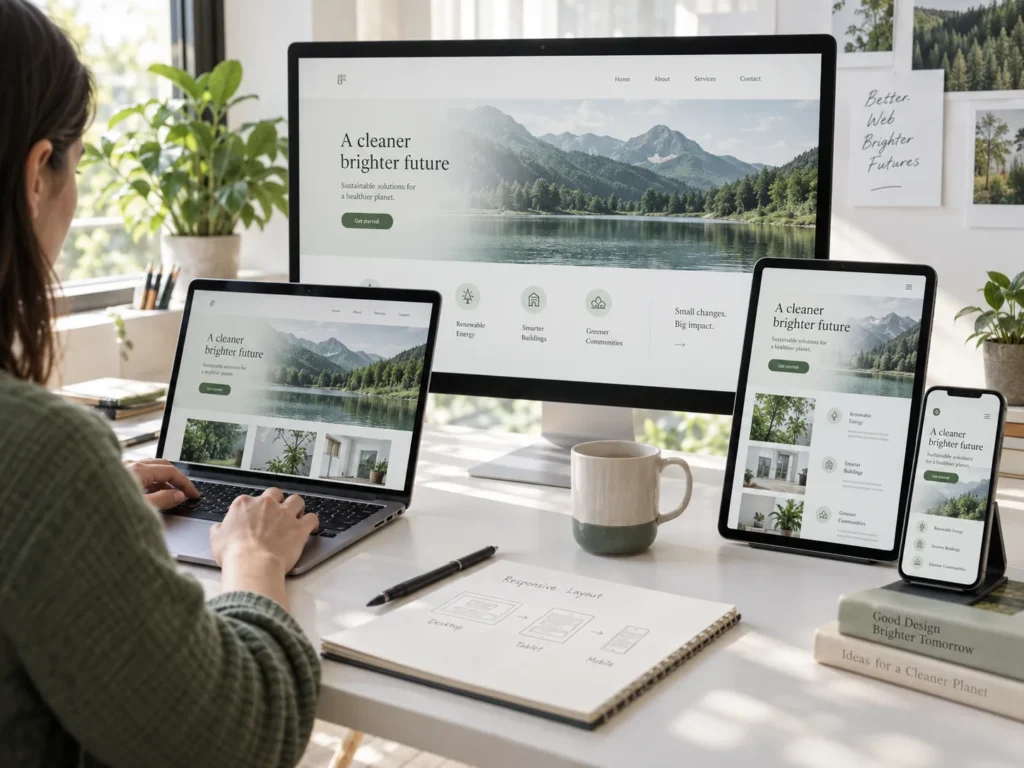
Your website may be viewed on a desktop at work, a tablet at home or a mobile phone while travelling.
Responsive web development ensures that layouts, navigation, content and interactive elements adapt to different screen sizes.
Mobile behaviour is considered as part of the development process rather than being treated as a separate step after the desktop version is complete.
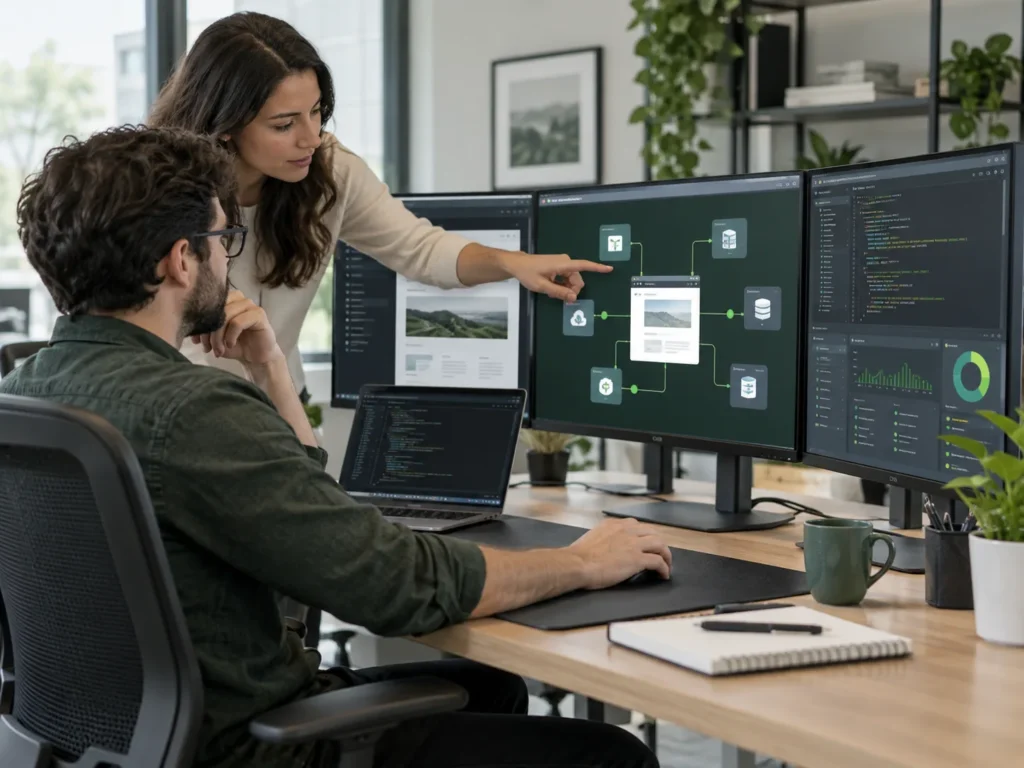
If your team regularly publishes or updates content, the CMS structure matters.
We can develop websites using platforms such as WordPress, Webflow, Framer and other suitable CMS solutions, depending on the project.
A properly structured CMS can allow your team to update pages, articles or other recurring content without needing a developer to rebuild the content each time.
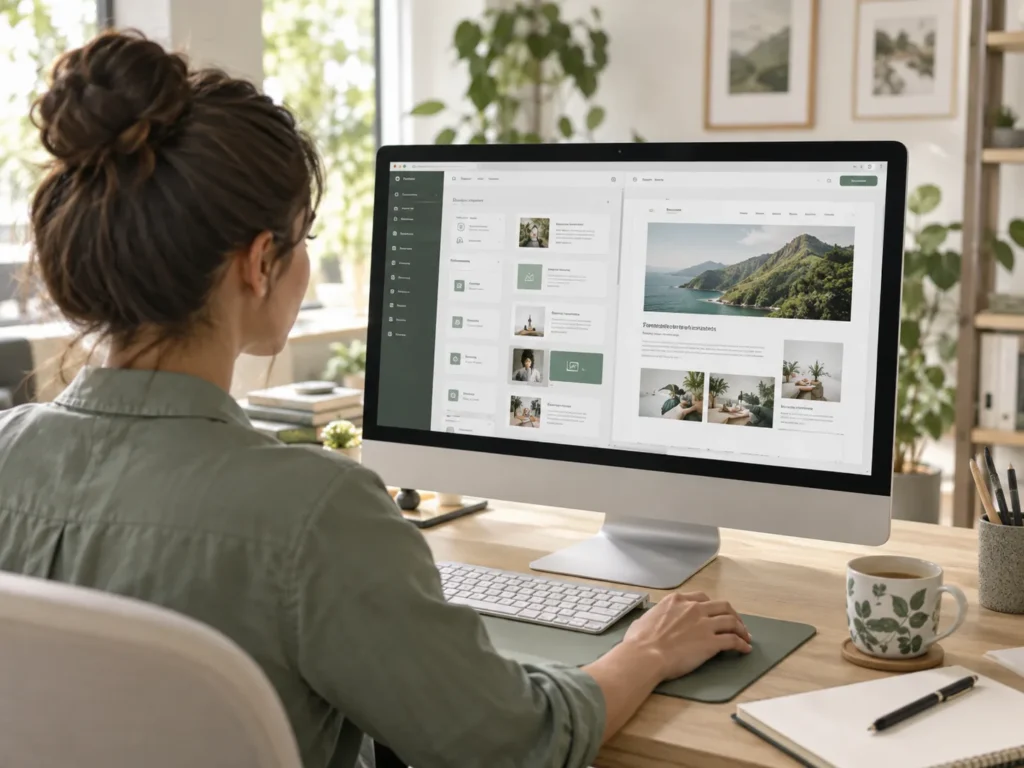
Your website may need to exchange information with other systems.
Where required, development can include API connections and integrations with external platforms, business tools or digital services.
The approach depends on the systems involved and what needs to move between them, such as customer information, content, product data or other business information.
Already have the design?
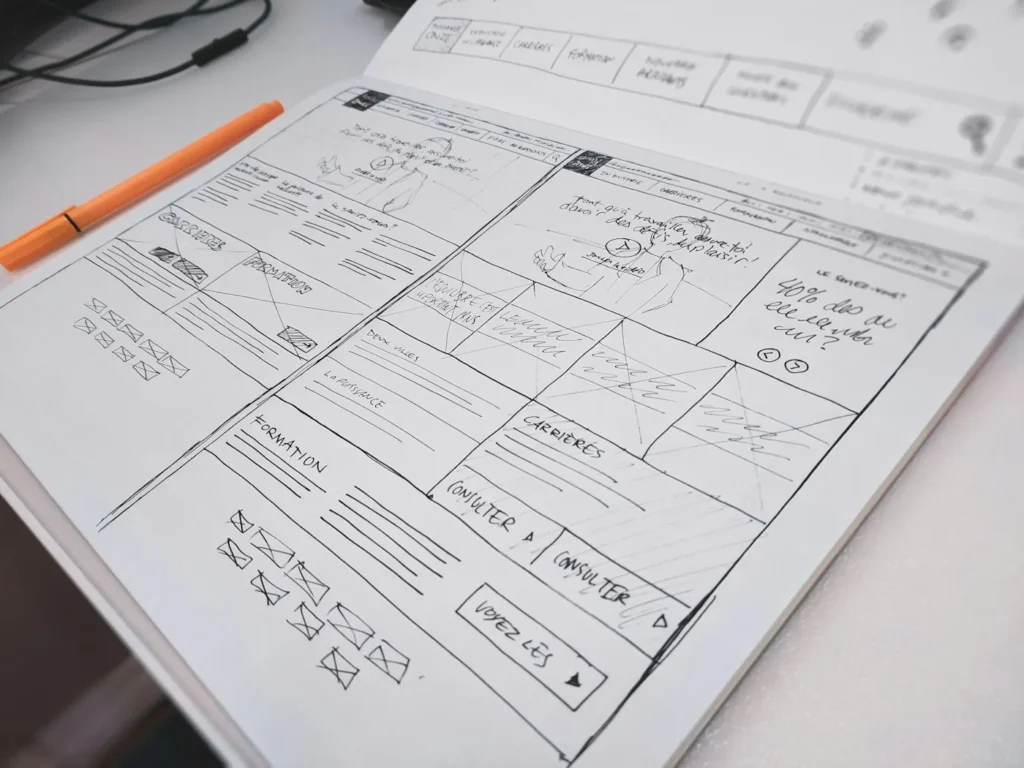
Existing UI designs, Figma files, wireframes or approved layouts can provide the starting point for development.
We can take the approved interface and implement it as a working website while accounting for responsive behaviour, content requirements and functionality.
This is useful when your design work is complete but you need a web developer to handle the technical implementation.
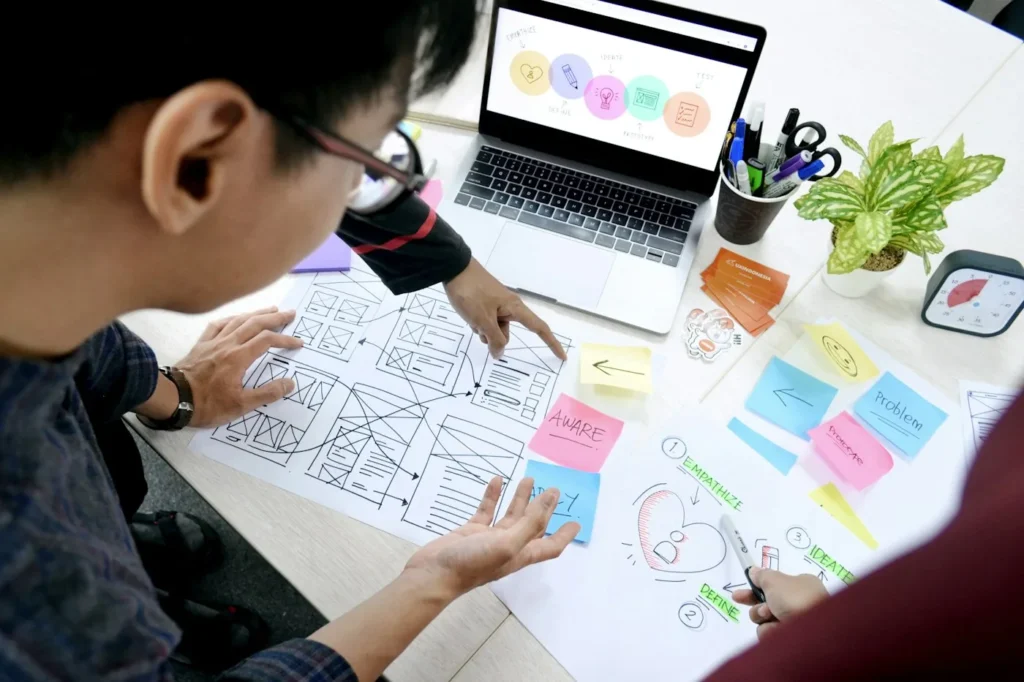
Not every website needs custom development.
A standard CMS or existing platform can be suitable for a straightforward business website.
Custom development becomes more relevant when the project has requirements that cannot be handled effectively through standard configurations
The right approach is the one that meets the project’s requirements without introducing unnecessary complexity.
You do not always need to start again.
If your current website already works but needs additional functionality, frontend changes, backend work, integrations or structural improvements, development can focus on the parts that actually need to change.

The appropriate approach depends on the current platform, codebase and scope of the changes.
The platform should follow the project requirements.
WordPress can be suitable for businesses that need a manageable, content driven website.
Development can include WordPress website implementation, custom functionality and other work required by the project’s structure and content needs.
For more specialised WordPress requirements, the technical scope can be assessed before development begins.
Webflow and Framer offer different approaches to website creation and content management.
Where these platforms are appropriate, development can include approved designs, responsive layouts, reusable sections and the functionality required for the project.
E-commerce projects often require a different technical setup from a standard business website.
Depending on the project, development can cover product structures, customer facing pages and connections with commerce tools or other business systems.
Good development should solve practical problems for both your visitors and your team.
A suitable CMS structure can make it easier for your team to add or update recurring content without changing the website’s underlying structure.
Corporate websites can involve larger amounts of content, multiple page types and more structured information.
We develop the underlying structure around the organisation’s content and functionality requirements, with room for future updates where needed.
Online stores need to support both the customer journey and the processes behind the sale.
E-commerce development can include product structures, customer-facing pages, commerce functionality and connections with other business systems.
Some websites need functionality that standard templates or configurations cannot provide effectively.
Custom website development can be considered when a project requires specific interactions, workflows, integrations or specialised functionality.
Projects involving more complex interactions or user functionality may require a different development approach from a conventional business website.
The technical setup depends on what the platform needs to do, the information it handles and who will use it.
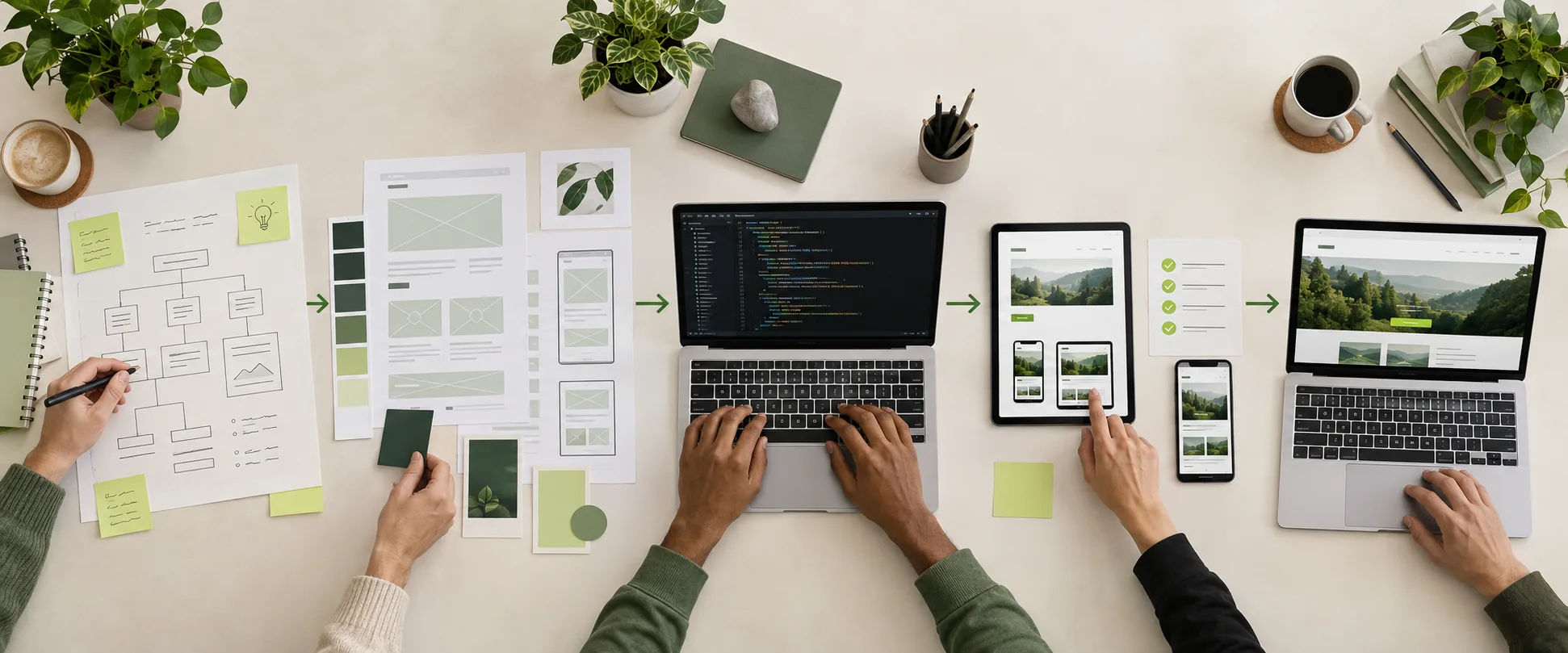
We start by understanding what the website needs to achieve, who will use it and what functionality is required. Existing websites, designs, content structures and technical requirements are reviewed where available.
If you already have Figma files, UI designs or wireframes, we review them from a development perspective. This helps identify responsive, content and functionality requirements before implementation.
The approved structure is developed into a functional website. Depending on the project, this may involve frontend development, backend development, CMS implementation, databases, APIs or other integrations.
The website is reviewed across relevant devices and important user journeys. Forms, navigation, responsive layouts, functionality and integrations are checked according to the project scope.
Once the website has been reviewed and the required functionality is ready, it can be prepared for launch and handover.
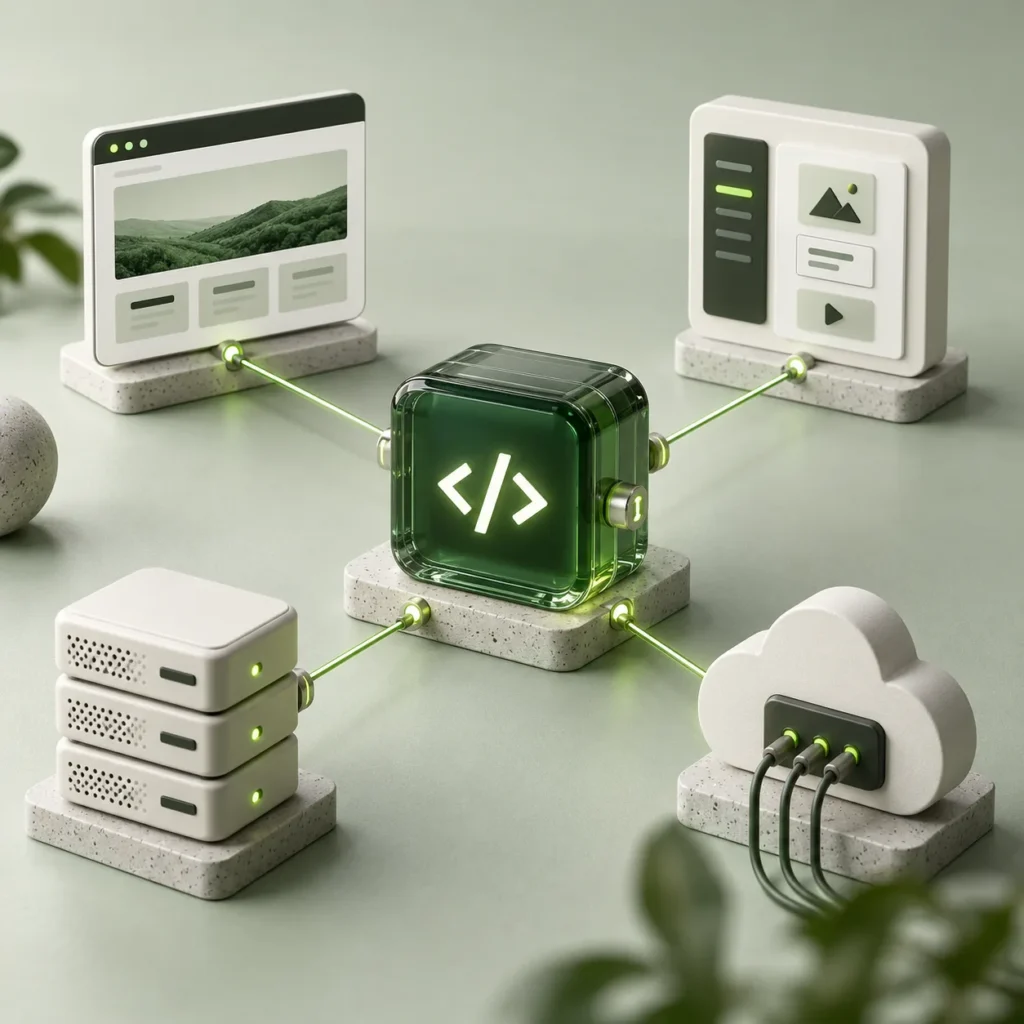
A five page business website does not need the same CMS, component structure or integrations as a content-heavy website or custom platform.
The technical approach depends on what the website needs to do.
For a straightforward business website, that may mean a focused CMS implementation. For a more complex project, it may involve frontend and backend development, databases, APIs and custom functionality.
The focus is on choosing and implementing the technology required for the project rather than adding complexity without a clear purpose.
If you are starting from a new brief or approved design, development can turn the planned structure into a working website.
If your current website is outdated or difficult to maintain, development can focus on the new structure and functionality required for the replacement.
If your existing website works but is missing an important feature, development can focus on adding the required functionality without necessarily rebuilding the entire site.
If your website needs to exchange information with other platforms, APIs and integrations can be considered as part of the development scope.
If another team has already started the website, existing designs, code or requirements can be reviewed to determine where additional development support is needed.

When development considerations are addressed alongside the design, responsive behaviour, functionality and implementation requirements can be identified earlier.
A five page company website, an e-commerce store and a custom platform do not require the same technical approach.
We consider the scope before determining what needs to be developed.
Projects requiring work across both the user facing interface and the systems behind it can be approached with frontend and backend development in mind.
We work with businesses in Zurich, Geneva, Lausanne and across Switzerland, developing websites around their individual business and audience requirements.
A look at how different business needs can take shape on the web.
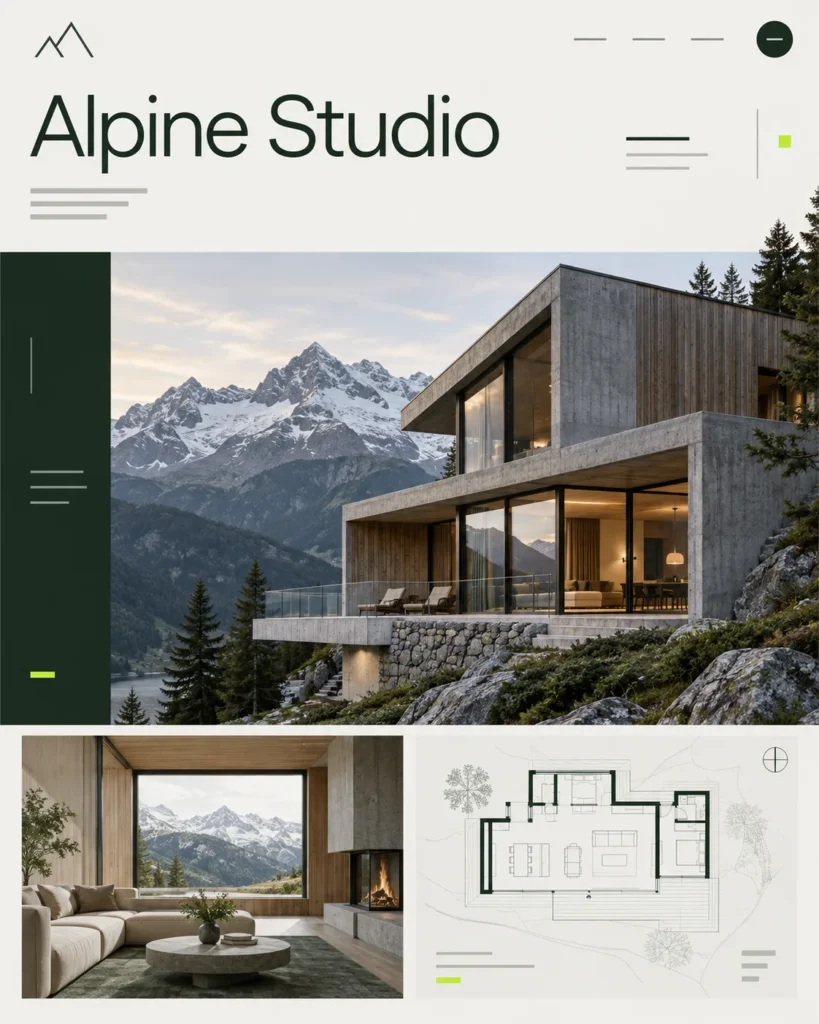
A considered digital home for a fictional Swiss architecture studio.
Present selected work and make project enquiries easy.
Balance large portfolio imagery with a fast, responsive experience.
Reusable project templates, responsive images and a simple content management structure.
A portfolio concept with project pages, service information and an enquiry journey.
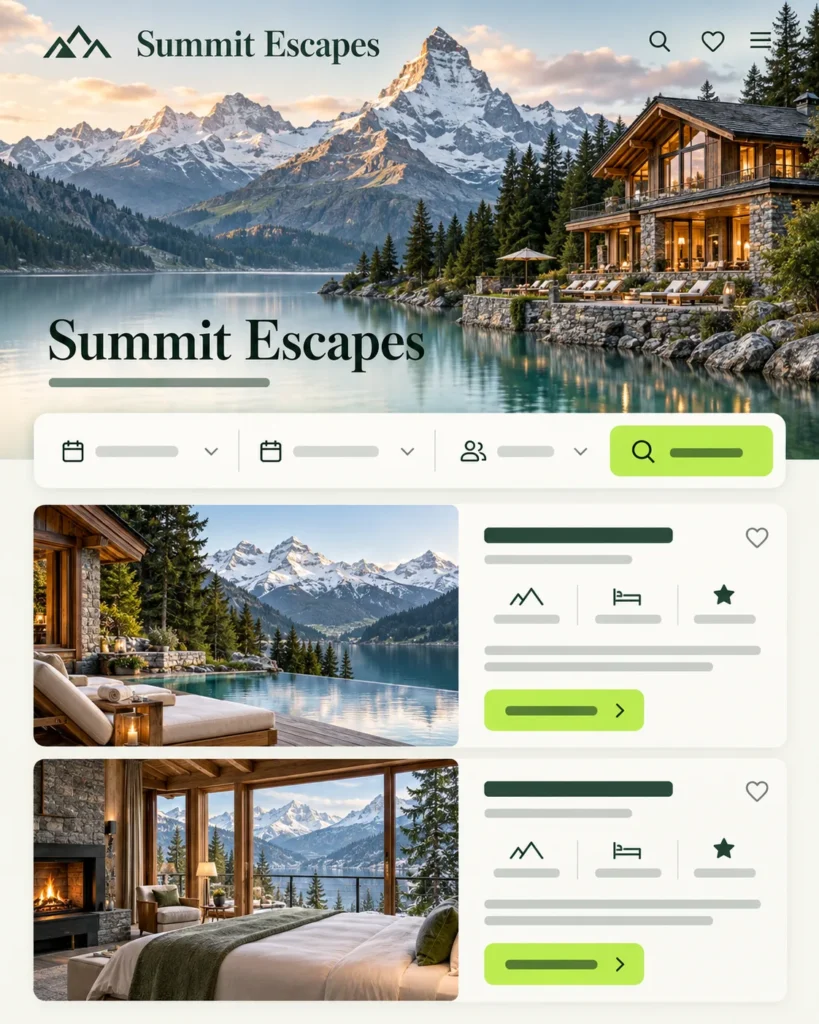
A fictional retreat discovery and booking website.
Bring stays, availability and booking requests into one clear journey.
Make dates, group sizes and retreat choices easy to understand.
Responsive retreat listings, date selection patterns and a structured booking request flow.
A booking concept with retreat discovery, stay details and a reservation form.
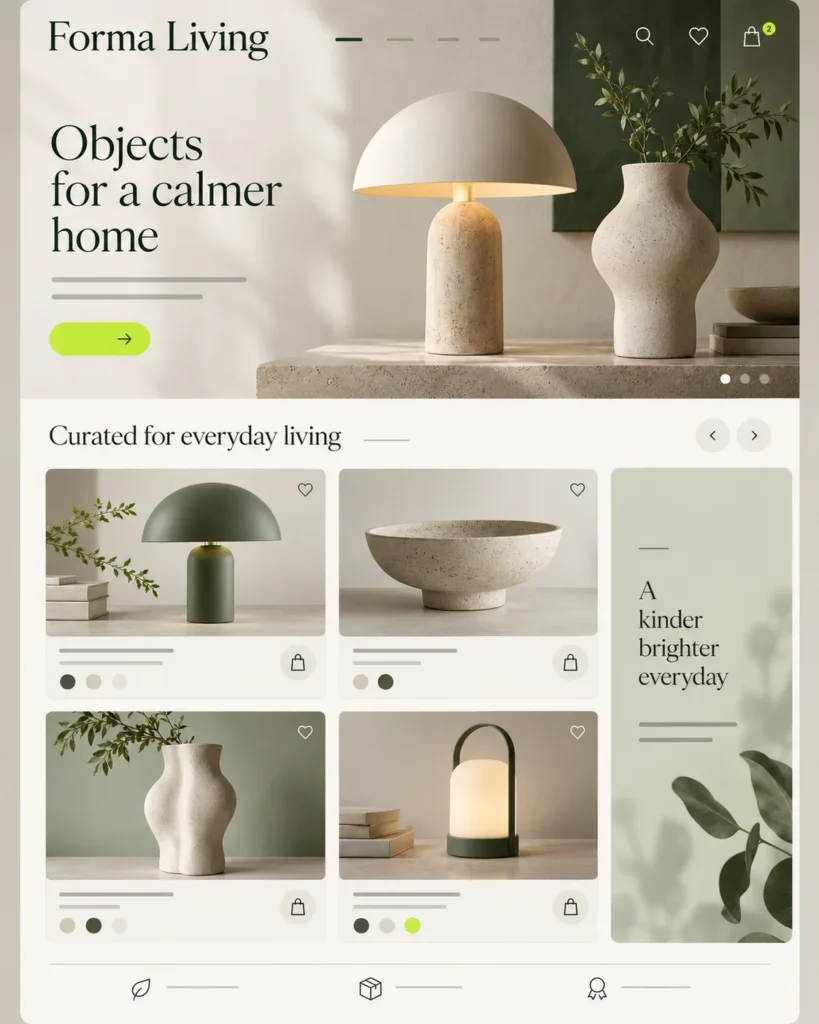
A sample online store for an independent homeware brand.
Help customers discover collections and shop comfortably on mobile.
Keep product navigation clear across different categories and variants.
Structured product data, collection filters and reusable product and cart interfaces.
A storefront concept with curated collections, product details and a cart layout.
Already have the Figma file? Have an existing website that needs changes? Or are you starting with a new project brief?
Send us your project details, current website, designs or functionality requirements and tell us what you need the website to achieve.
We can review the scope and discuss the appropriate development approach.